

The ConsultFrance Diagnostic Protocol

We don't diagnose problems. We decode the signals.

Most engagements stall in the "analysis" phase—collecting data without a clear path to action. Our protocol is built on the principle that every constraint, every friction point, and every opportunity is a signal. By mapping these signals to structural patterns, we turn ambiguity into a navigable terrain.

This isn't a checklist. It's a framework for translation—converting business intuition into engineering-grade insight, and strategic vision into executable cadence. The three-phase process below is the surface artifact of a deeper methodology, one honed across hundreds of engagements in sectors from manufacturing to finance.

Explore Our Services
Annotated diagnostic schematic

Fig. 1: The diagnostic overlay—mapping quantitative metrics to qualitative narrative.

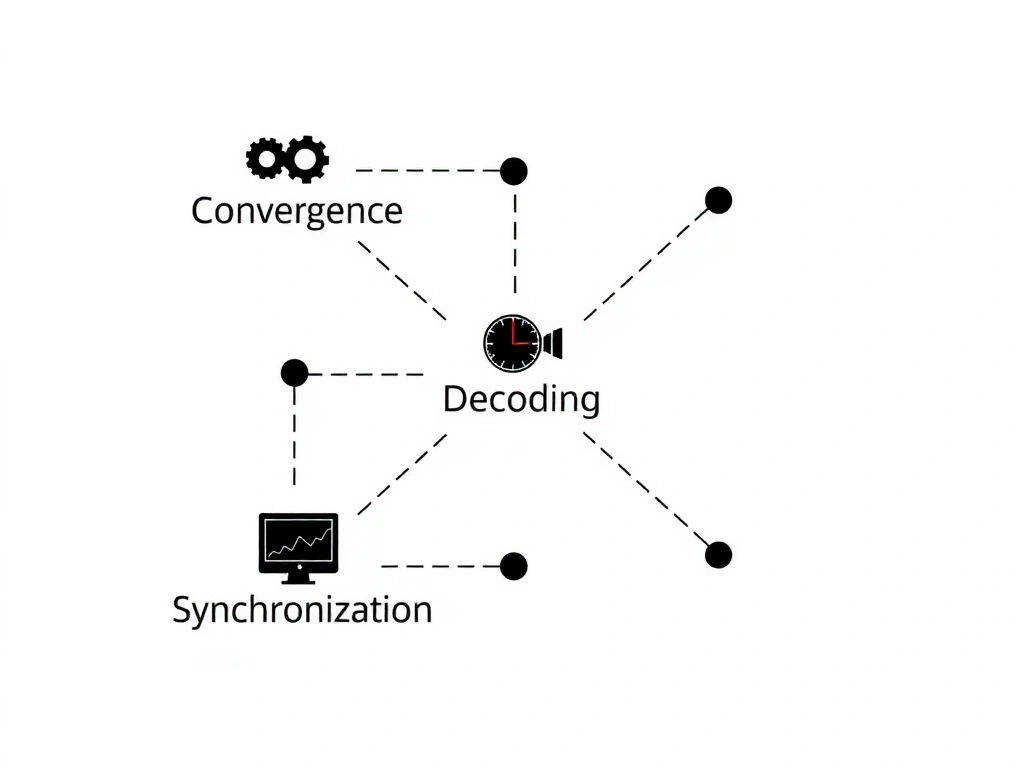
Phase 1: Convergence

We identify the non-negotiable constraints and align stakeholder intent before collecting any data.

Phase 2: Decoding

We translate raw operational metrics into systemic narratives, revealing root causes, not symptoms.

Phase 3: Synchronization

We architect a synchronized execution rhythm that adapts to volatility without losing strategic direction.

Three-phase methodology diagram

The Execution Gap: Where Strategies Fail

Most frameworks stop at "what" to do. Ours answers "how" and "when." The gap isn't a lack of ideas—it's a misalignment of cadence. We've observed that 70% of strategic failure occurs not in the boardroom, but in the first three weeks of implementation, when organizational rhythm fractures. Our Synchronization phase is designed to lock strategy into operational tempo.

Visual Framework

The Bridge Between Diagnosis and Delivery

1. Convergence

Before any analysis begins, we converge stakeholder intent around a single, unambiguous problem statement. This isn't consensus-building; it's constraint engineering. We document the hard limits (budget, timeline, regulatory) and the soft limits (cultural, political). Only then does data collection have a defined purpose.

2. Decoding

Here, we move from metrics to patterns. We don't just report that "cycle time increased by 18%"; we map it to specific decision nodes, interface friction, and resource allocation drift. The output is a layered narrative of causality, not a dashboard of metrics. This is the phase where the "why" becomes actionable.

3. Synchronization

Strategy decouples from execution when pacing is wrong. Synchronization designs the engagement rhythm: weekly syncs, bi-weekly deep-dives, monthly validation cycles. It also defines the "keep-sake" artifacts—the one-page briefs, the meeting cadences, the decision log—that ensure the methodology survives after we depart.

Practice Tools

The 'Day One' Toolkit

Value begins at first contact. Every engagement is preceded by a deployment of our diagnostic toolkit—not a sales pitch, but a structured inquiry that already begins the work.

The Constraint Lens

A visual map of hard and soft boundaries. We use it to immediately identify where innovation is possible versus where it's prohibited, saving weeks of back-and-forth.

Signal-to-Noise Matrix

A shared framework for prioritizing data. It forces the question: "Is this a root-cause signal or operational noise?" This single tool can reorient an entire discovery phase.

Physical and digital tools for diagnostic mapping

Myth vs. Reality: The Consulting Audit

Myth: Audits are exhaustive, expensive, and produce volume reports.
Reality: A diagnostic is targeted. We spend 70% of our time in Convergence, not Decoding. The goal isn't a report; it's a single page of engineered clarity that rewrites the engagement's trajectory.

Engagement Architecture

Rhythm & Commitment: The Phased Cadence

Weeks 1-2: The Convergence Sprint

Intense, workshop-style alignment. We exit this phase with a signed "Diagnostic Brief"—a one-page contract on the problem we're solving, not the methodology we're using.

Weeks 3-6: The Decoding Pulse

Weekly narrative updates replace status reports. We share "Signal Memos"—short, structured analyses that build the case for specific interventions. This keeps momentum without premature commitment.

Weeks 7-12: Synchronization & Handoff

We don't deliver a deck; we integrate into your cadence. This phase co-designs the first 90-day execution rhythm with your team, ensuring the strategic insights survive the post-consultancy vacuum.

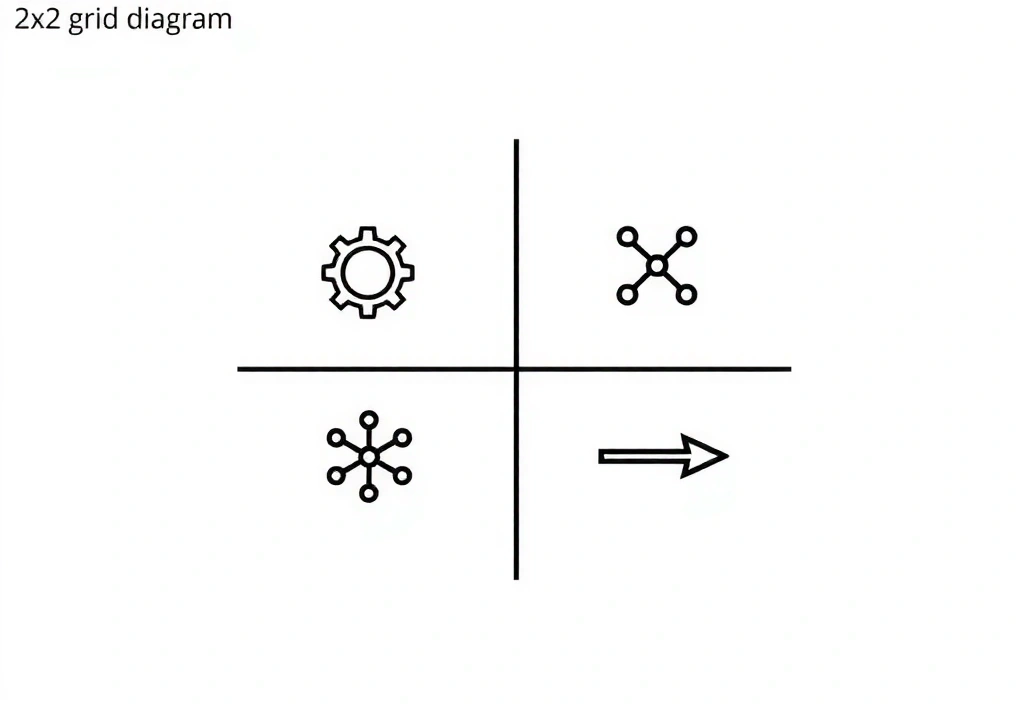
Bespoke Framework: The Decision Lens

Before any analysis, we facilitate a one-hour session where leadership places current decisions into one of four quadrants. This isn't a personality test; it's a structural diagnostic of your organization's decision-making metabolism.

The lens reveals where you're accelerating poor choices, where you're stalling on critical ones, and where you're outsourcing judgment to consensus. It's the foundational "why" that shapes every subsequent phase of our engagement.

The Decision Lens 2x2 framework

Your Next Operational Layer

This methodology is the foundation. The application is in our services. See how we translate diagnostic clarity into strategic enablement and capability uplift.